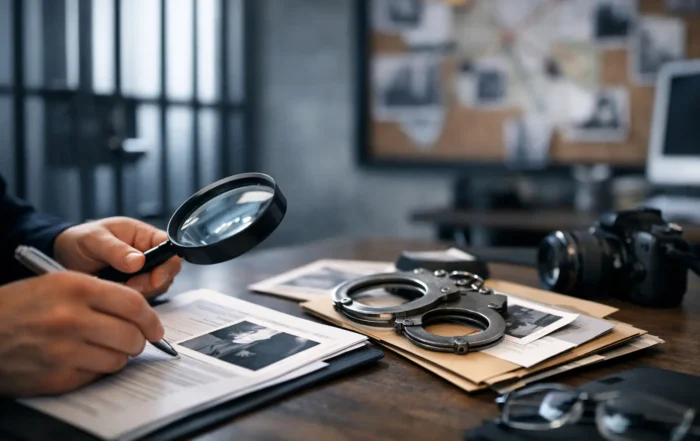
A private investigator is a professional who specializes in uncovering facts, gathering evidence, and examining situations that require detailed research. These professionals assist individuals, businesses, and legal representatives in understanding complex matters through reliable information and systematic analysis. Their work may include locating relevant records, verifying identities, interviewing witnesses, and investigating suspicious circumstances.
Professional investigative services play an important role in today’s society, where accurate information is essential for personal decisions, legal proceedings, and business operations. Through ethical research methods, careful planning, and confidential information handling, investigators help clients understand uncertain situations and identify appropriate courses of action.
Understanding the Purpose of Professional Investigation
Professional investigation involves collecting and evaluating information to answer specific questions. It is a structured process that relies on evidence rather than assumptions or speculation.
Investigative professionals examine different sources to establish facts and identify inconsistencies. Their work may involve reviewing documents, comparing statements, and researching events that require further clarification.
One of the most important objectives is to provide an impartial assessment of the available evidence.
Investigators must consider different explanations and avoid reaching conclusions before information has been properly examined.
A well-conducted investigation helps clients understand what is known, what remains uncertain, and whether additional research is necessary.
Different Categories of Investigative Services
Professional investigation services cover various fields that address different personal, financial, and commercial concerns.
Corporate Investigation Services
Corporate investigations involve examining issues related to business operations, financial irregularities, and internal organizational concerns.
Companies may require assistance when reviewing suspected misconduct, verifying commercial information, or identifying weaknesses in existing procedures.
Investigators examine authorized documents and collect relevant information to support further organizational assessment.
Background Verification
Background verification focuses on confirming specific information about individuals or organizations.
This may include reviewing professional qualifications, employment information, business registrations, and relevant public records.
Such services can support commercial due diligence and other legitimate verification requirements.
Civil Litigation Support
Civil disputes often involve conflicting accounts or incomplete evidence.
Investigative professionals may assist attorneys by locating potential witnesses, reviewing publicly accessible records, and establishing relevant timelines.
Their findings can help legal teams understand disputed circumstances.
Financial Research
Financial investigations may involve examining authorized transaction records, identifying discrepancies, and reviewing relevant documentation.
Investigators can organize findings for further examination by qualified accounting or legal professionals.
How a Private Investigator Develops a Case Strategy
A private investigator typically begins by evaluating the client’s concerns and identifying the information necessary to address them. A clear strategy helps ensure that investigative activities remain focused and productive.
Initial Consultation
The process begins with a discussion about the circumstances surrounding the case.
The investigator identifies the client’s objectives and determines whether the requested assignment is lawful and realistic.
Reviewing Existing Evidence
Available documents, records, correspondence, and other relevant materials are examined.
This initial review helps identify useful information sources and questions requiring further research.
Establishing Investigation Priorities
Investigators determine which activities are most likely to provide relevant information.
Prioritizing research helps manage costs and available resources.
Selecting Appropriate Techniques
Research methods depend on the nature of the assignment.
These may include document examination, public-record searches, voluntary interviews, and lawful observation.
Recording Research Activities
Accurate documentation is maintained throughout the investigation.
Research notes, evidence inventories, and timelines help preserve the context of important findings.
Why Investigative Planning Is Essential
Effective planning helps investigators approach complicated assignments systematically.
Without clear objectives, research may become unnecessarily broad or focus on information that does not contribute to resolving the client’s concerns.
A well-developed plan identifies the questions that require answers and determines which sources are most appropriate.
Planning also allows investigators to assess potential legal restrictions and resource requirements.
However, investigative strategies must remain flexible.
New information may reveal additional questions or suggest that certain research methods are no longer necessary.
A balanced approach combines structured preparation with the ability to respond to credible developments.
The Importance of Evidence Verification
Evidence verification is essential because investigative conclusions depend on the accuracy of collected information.
Different sources may provide inconsistent details or contain outdated records.
An investigator must evaluate the reliability, origin, and relevance of each piece of information.
Whenever possible, important findings should be confirmed through independent sources.
For example, a business record may establish that a company was registered at a particular time, but it may not independently confirm its current operational status.
Investigators must distinguish between what a record proves and what additional information would be necessary to support broader conclusions.
This approach helps reduce inaccuracies and strengthens the credibility of investigation reports.
Understanding Different Types of Investigative Evidence
Investigative professionals may encounter several forms of evidence depending on the case.
Documentary Evidence
Contracts, invoices, correspondence, and authorized business records may contain important details.
These materials can help establish timelines and clarify documented relationships.
Witness Statements
Individuals with relevant knowledge may provide information about particular events.
Statements should be collected carefully and evaluated alongside independent evidence.
Public Records
Legally accessible government and business records may provide useful background information.
Investigators should verify their accuracy and consider any relevant limitations.
Digital Evidence
Electronic documents, publicly available online information, and authorized digital records may contribute to investigations.
Digital evidence requires careful handling because information can be altered or misinterpreted.
Physical Observations
Lawfully obtained observations may help document relevant circumstances.
Such activities must respect privacy rights and applicable surveillance restrictions.
The Role of Critical Thinking in Professional Investigations
Critical thinking enables investigators to interpret complicated information without allowing assumptions to influence their conclusions.
Cases frequently involve incomplete documentation or conflicting descriptions of events.
Investigators must examine different explanations and determine which are supported by evidence.
For example, unusual business activity may result from legitimate operational changes rather than misconduct.
Without careful analysis, an investigator could incorrectly interpret ordinary circumstances as suspicious behavior.
Logical reasoning helps identify meaningful patterns while avoiding unsupported conclusions.
Professional investigators should remain willing to revise their interpretations when new credible information becomes available.
How Technology Improves Investigative Research
Modern technology has made information research and case management more efficient.
Digital databases provide access to certain legally available records.
Case-management systems help investigators organize documents, interview notes, and evidence summaries.
Electronic research tools may assist with comparing large collections of authorized information.
Digital mapping applications can also support investigations involving geographic details.
However, technological capabilities do not eliminate legal restrictions.
Investigators cannot access private accounts, intercept confidential communications, or obtain protected records without appropriate authorization.
Digital information must also be verified because online sources may contain errors or misleading details.
The Importance of Confidentiality
Professional investigation frequently involves personal, financial, and commercially sensitive information.
Clients may provide confidential records that require secure handling.
Investigators should establish appropriate procedures for collecting, storing, and sharing information.
Digital files should be protected against unauthorized access, while physical documents should be stored securely.
Information should only be shared with authorized individuals or when disclosure is legally required.
Professionals should also avoid collecting unnecessary personal details.
Responsible confidentiality practices protect clients and maintain trust throughout the investigation.
Professional Ethics and Investigative Integrity
Ethical standards are essential for ensuring that investigative work remains fair and credible.
Investigators must present findings honestly and avoid manipulating evidence.
They should not make unsupported accusations or present unverified information as established fact.
Professional integrity also requires respecting the rights of individuals who become subjects of an investigation.
Unlawful surveillance, harassment, trespassing, and unauthorized access to protected information are not acceptable methods.
Investigators must remain objective, even when their findings contradict the expectations of the client.
This commitment to fairness supports the reliability of the final report.
How to Choose a Qualified Private Investigator
Hiring a private investigator requires careful consideration of experience, qualifications, and professional standards.
Relevant Experience
Clients should select professionals familiar with the type of investigation they require.
Corporate research, background verification, and civil litigation support may involve different expertise.
Licensing Requirements
Some jurisdictions require investigators to hold professional licenses.
Clients should verify applicable regulations before hiring.
Clear Communication
A reputable professional should explain the proposed research approach and possible limitations.
Clients should understand which services will be performed.
Confidentiality Procedures
Investigators should use appropriate safeguards when handling sensitive information.
Clients should ask how records will be protected.
Transparent Pricing
Service fees and potential additional expenses should be explained in advance.
A written agreement helps establish expectations.
Understanding the Legal Boundaries of Investigative Work
Investigative professionals must follow laws governing privacy, surveillance, personal data, and information access.
Requirements vary across countries and jurisdictions.
Private investigators generally do not possess the same powers as law enforcement officers.
They cannot independently issue warrants, compel testimony, or obtain confidential government information without appropriate legal authority.
Restrictions may also apply to recording conversations, monitoring individuals, and accessing private property.
Investigators must understand these limitations before beginning an assignment.
Following applicable laws helps protect individual rights and supports the credibility of collected evidence.
How Professional Investigations Support Business Decisions
Businesses frequently require reliable information when evaluating commercial relationships or examining internal concerns.
Investigative research can help verify supplier credentials, review publicly documented company information, and identify discrepancies in authorized business records.
These findings may support broader due diligence procedures.
Organizations may also seek assistance when examining concerns involving financial irregularities or suspected policy violations.
Professional reports can help management determine whether additional accounting, compliance, or legal review is necessary.
However, investigative services should complement established business procedures rather than replace specialist advice.
Common Challenges in Investigative Assignments
Professional investigations can involve several difficulties.
Missing Information
Important documents may be unavailable or incomplete.
Investigators must identify alternative lawful sources where possible.
Conflicting Accounts
Different individuals may provide inconsistent descriptions of events.
Statements should be evaluated against available evidence.
Restricted Records
Certain information may be legally protected.
Investigators must respect access limitations.
Limited Resources
Budget and time constraints can affect the amount of research possible.
Clear priorities help maintain efficiency.
Unexpected Developments
New information may require changes to the investigation strategy.
Investigators must remain flexible while maintaining objectivity.
The Importance of Accurate Investigation Reports
A final report communicates investigative findings in a clear and organized format.
It should explain the objectives of the assignment, relevant research methods, and supporting evidence.
Investigators must distinguish verified facts from interpretations and unresolved questions.
Important limitations should also be identified.
For example, when a relevant record cannot be obtained, the report should explain how that limitation affects the findings.
Accurate documentation helps clients understand the strength of the evidence and consider appropriate next steps.
A professional report should avoid exaggeration and present conclusions consistent with the available information.
The Future of Professional Investigation Services
The investigation industry continues to develop as digital technology creates new research opportunities.
Electronic records, automated document-analysis systems, and advanced research platforms may improve investigative efficiency.
Artificial intelligence can assist with organizing information and identifying patterns requiring further examination.
However, automated outputs can contain errors and should be verified by qualified professionals.
Privacy regulations and cybersecurity requirements are also influencing investigative practices.
Professionals will need to combine technical knowledge with ethical judgment, analytical reasoning, and legal awareness.
Human oversight and reliable evidence evaluation will remain essential.
Frequently Asked Questions
What Is the Main Purpose of Professional Investigation?
Professional investigation aims to gather reliable information, evaluate evidence, and clarify circumstances involving uncertainty or disputed facts.
Can Investigation Services Help Businesses?
Yes. Investigative research may assist businesses with background verification, commercial due diligence, and examining authorized records related to internal concerns.
Are Private Investigations Confidential?
Professional investigators generally maintain confidentiality procedures, although disclosure obligations may apply under relevant laws.
How Long Does an Investigation Usually Take?
The duration depends on the complexity of the assignment, available evidence, research methods, and legal restrictions.
Can Investigators Access Protected Information?
Investigators generally cannot access confidential records or private communications without appropriate authorization or legal authority.
What Makes an Investigator Reliable?
Relevant experience, professional credentials, ethical conduct, accurate reporting, and transparent communication are important qualities.
Conclusion
A private investigator provides specialized assistance by collecting evidence, verifying information, and helping clients understand complicated circumstances through professional research. Investigative services support business decisions, personal concerns, legal matters, and other legitimate information needs.
Successful investigative work depends on careful planning, reliable evidence, analytical thinking, confidentiality, and compliance with applicable laws. By choosing qualified professionals who maintain ethical standards, individuals and organizations can obtain useful findings, reduce uncertainty, and make responsible decisions based on credible information.