Browsing: Tech
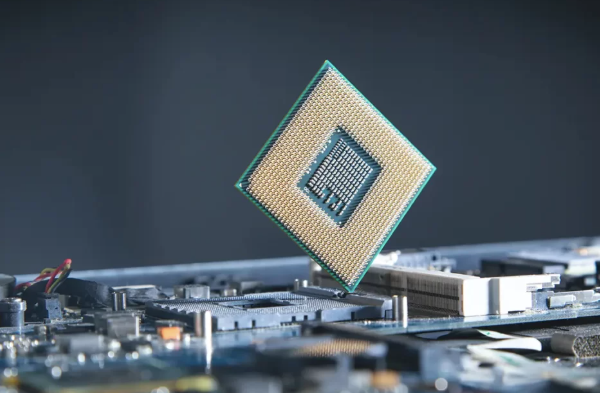
How Quantum Computers Differ From Classical Computers
Quantum computers represent a significant departure from classical computers through their foundational units of information. Unlike classical bits, which are limited to binary states, qubits can occupy multiple states simultaneously…
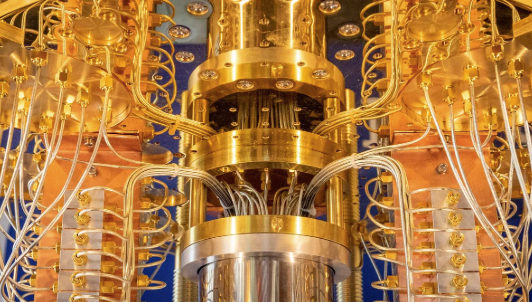
How Quantum Computing May Change Encryption
Quantum computing presents a significant challenge to conventional encryption methods. Its advanced algorithms, such as Shor’s algorithm, can compromise widely used systems like RSA and ECC. This vulnerability necessitates a…
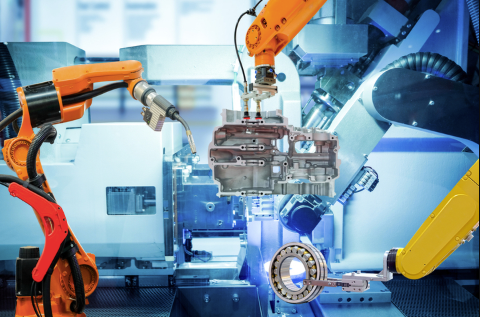
How Robotics Is Changing Industries
Robotics is increasingly becoming a pivotal force across various industries. Its influence extends from manufacturing to healthcare, driving efficiency and innovation. Automation reduces human error and streamlines operations, enhancing productivity.…

Blockchain in Healthcare Industry
Blockchain in healthcare offers an immutable ledger for data provenance, access, and alterations across systems, supporting auditable lineage and regulatory alignment. It enforces policy-driven access controls, enhances interoperability, and underpins…

Blockchain Infrastructure and Economic Development
Blockchain infrastructure redefines how trust, settlement, and data flow across economies. It reallocates friction points, accelerates transactions, and broadens access to programmable services while preserving governance and privacy. Networks, standards,…
Subscribe to Updates
[mc4wp_form id=92]
